










Services
Industries
© 2026 MSB Group. All rights reserved.
MSB Group UK is the trading name of MSB Steel Ltd
Created by Just Chill
Industry News
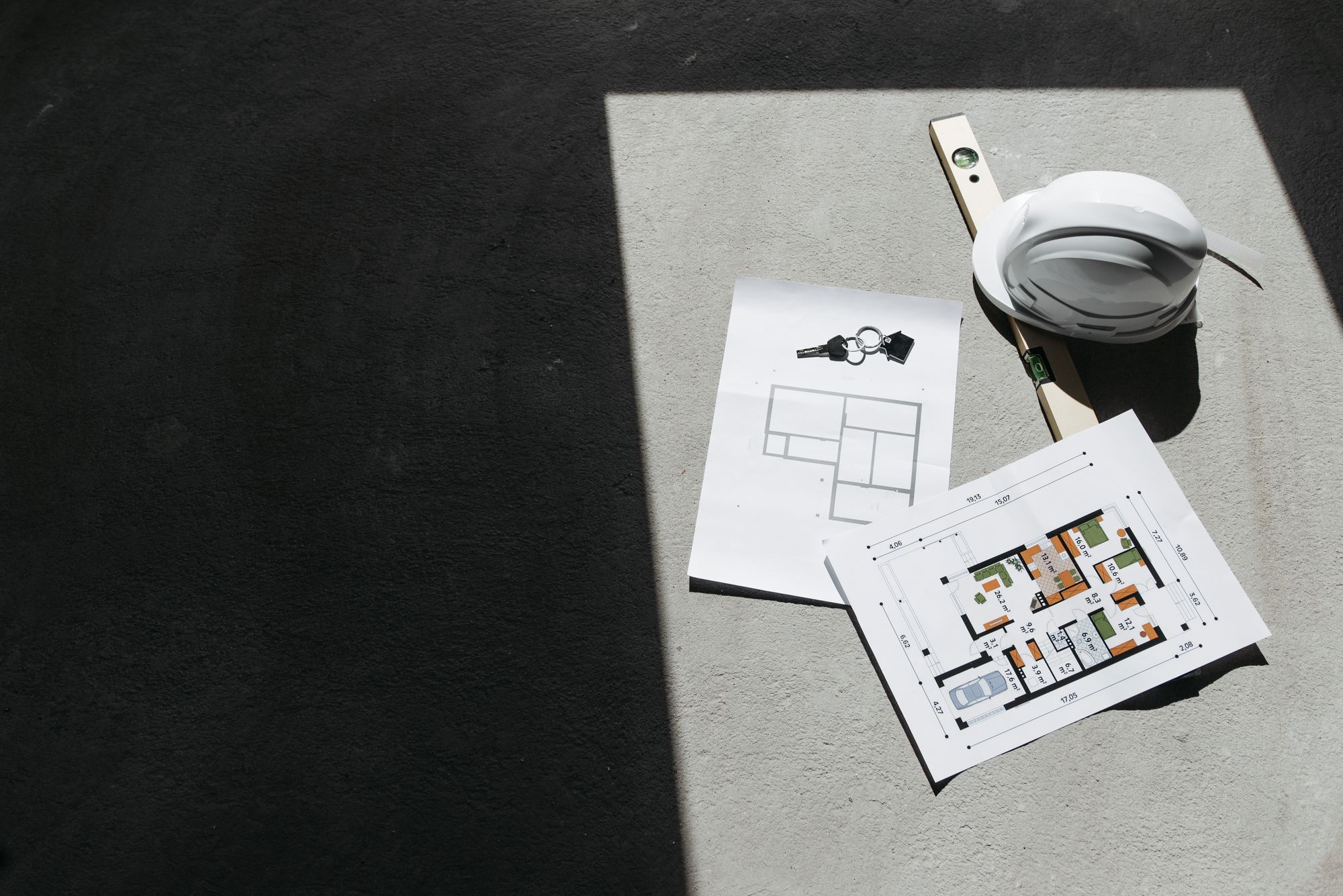
Photo: Pavel Danilyuk / Pexels.
In a design and build contract, one contractor takes responsibility for both designing and constructing the building. In the traditional route the client appoints designers first and a builder afterwards. Design and build gives a single point of responsibility and an earlier site start, but it asks for a clear brief.
Design and build, often shortened to D&B, is a way of buying a building. The client appoints one main contractor to deliver both the design and the construction under one contract. The client states what is needed in a document called the employer's requirements, and the contractor develops the design and builds it.
In the traditional route, sometimes called design, bid, build, the client first appoints architects and engineers to complete the design. Builders then price the finished design, and one is appointed to construct it. The contractor is generally not responsible for design, apart from temporary works and any parts the contract hands over.
In design and build, the tender can start before the design is complete, and design and construction can overlap. That overlap is the main reason it can be quicker.
The current JCT form is the Design and Build Contract 2024, which replaced the 2016 edition and also reflects the dutyholder regime under the Building Safety Act 2022. The NEC suite of contracts is also widely used, and NEC4 is common. Your advisers will recommend the form that suits the project.
It tends to work well when speed and cost control matter, when the building is largely defined by its function, such as a warehouse, a production unit, a storage building or a workshop, and when the client wants a single team accountable for the result. It is less suited to a project that needs a great deal of bespoke design input, or where the client expects to change the design as it goes.
Write down what the building must do: floor area, clear height, loads, doors, services, fire strategy and programme. Agree which items are fixed and which the contractor can propose. Ask each tenderer to say how they handle changes and who carries ground risk. Visit completed projects.
MSB Group works as a single-contract design and build contractor for steel buildings, with design, fabrication, groundworks and erection run as one programme. See our design and build service, our construction service, and the case study of a factory extension built in live production. Before you appoint anyone, our guide to checking a contractor lists the questions to ask, and the cost guide explains what drives price.
The employer's requirements set out what the client wants: the use of the building, floor areas, heights, loads, performance, quality, programme and any constraints. The contractor responds with contractor's proposals showing how it will meet them. The two documents together define the deal, so any gap between them becomes a risk. Ask your adviser to read both before the contract is signed, and keep them consistent when changes are agreed.
Two questions cause more disputes than almost any others: who carries the risk of unforeseen ground conditions, and who is responsible for obtaining planning and other consents. Decide both in writing before you sign. A ground investigation before pricing reduces uncertainty, and our guide to groundworks for steel framed buildings explains what a contractor needs to know about the site.
For steel buildings, the main benefit of design and build is a single programme. The foundation design, the frame, the cladding and the doors all depend on one another. When one company is responsible for all of them, there is no argument over which party should have spotted a clash. The guide to steel buildings, types, spans and cost shows how those choices interact.
A contract in which one contractor is appointed to both design and construct the building. The client sets out requirements and the contractor develops the design and builds it.
It can give earlier price certainty, but the final cost depends on a clear brief and on avoiding changes. It is not automatically cheaper.
The JCT Design and Build Contract 2024, which replaced the 2016 edition.
Under design and build the contractor generally takes responsibility for the design it produces, subject to the contract terms and the employer's requirements.
You can, but changes are called variations and can be costly and slow. Settle the brief before you sign.
Related service
One team and one contract for design, construction and handover.
