


.webp)




Services
© 2026 MSB Group. All rights reserved.
MSB Group UK is the trading name of MSB Steel Ltd
Created by Just Chill
Project Completions
.webp)
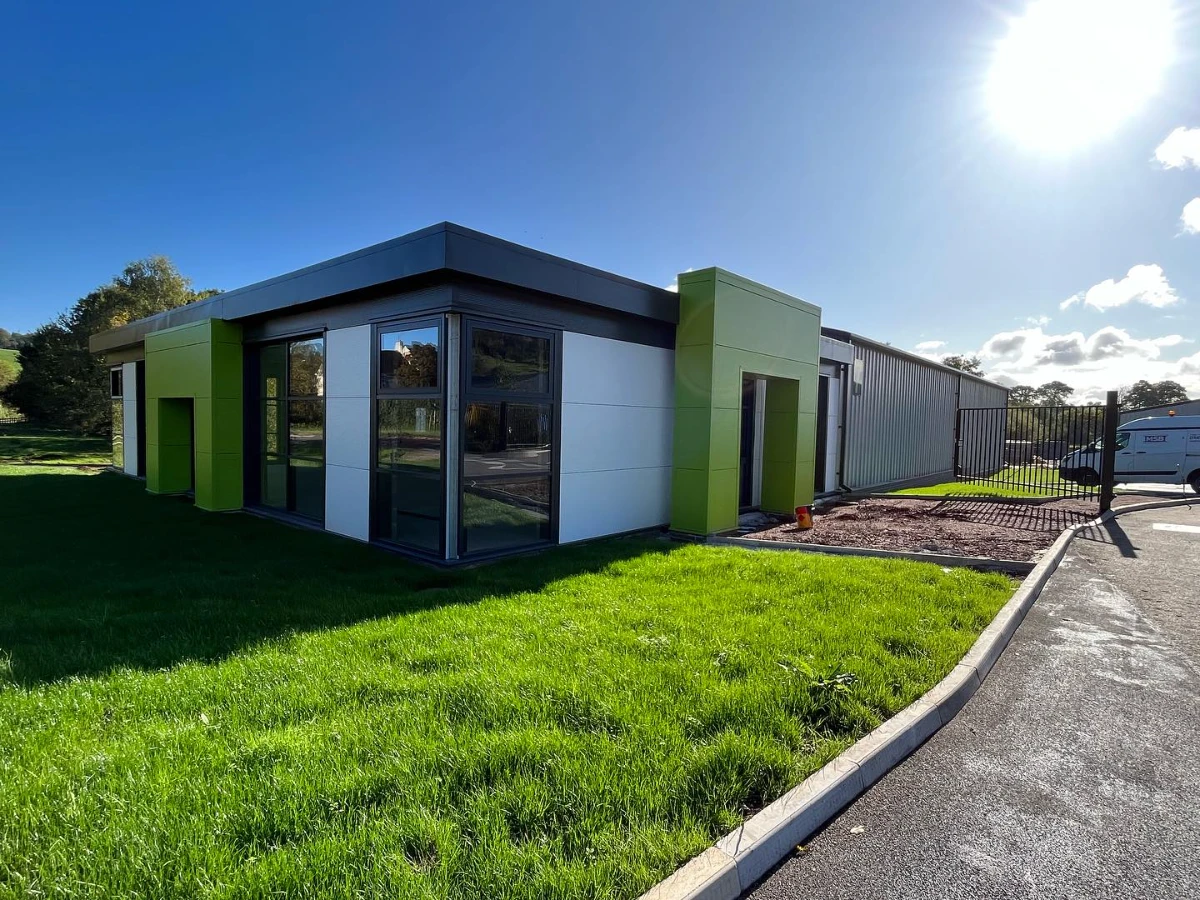
The Magna Specialist Confectioners factory extension in Telford, built by MSB Group.
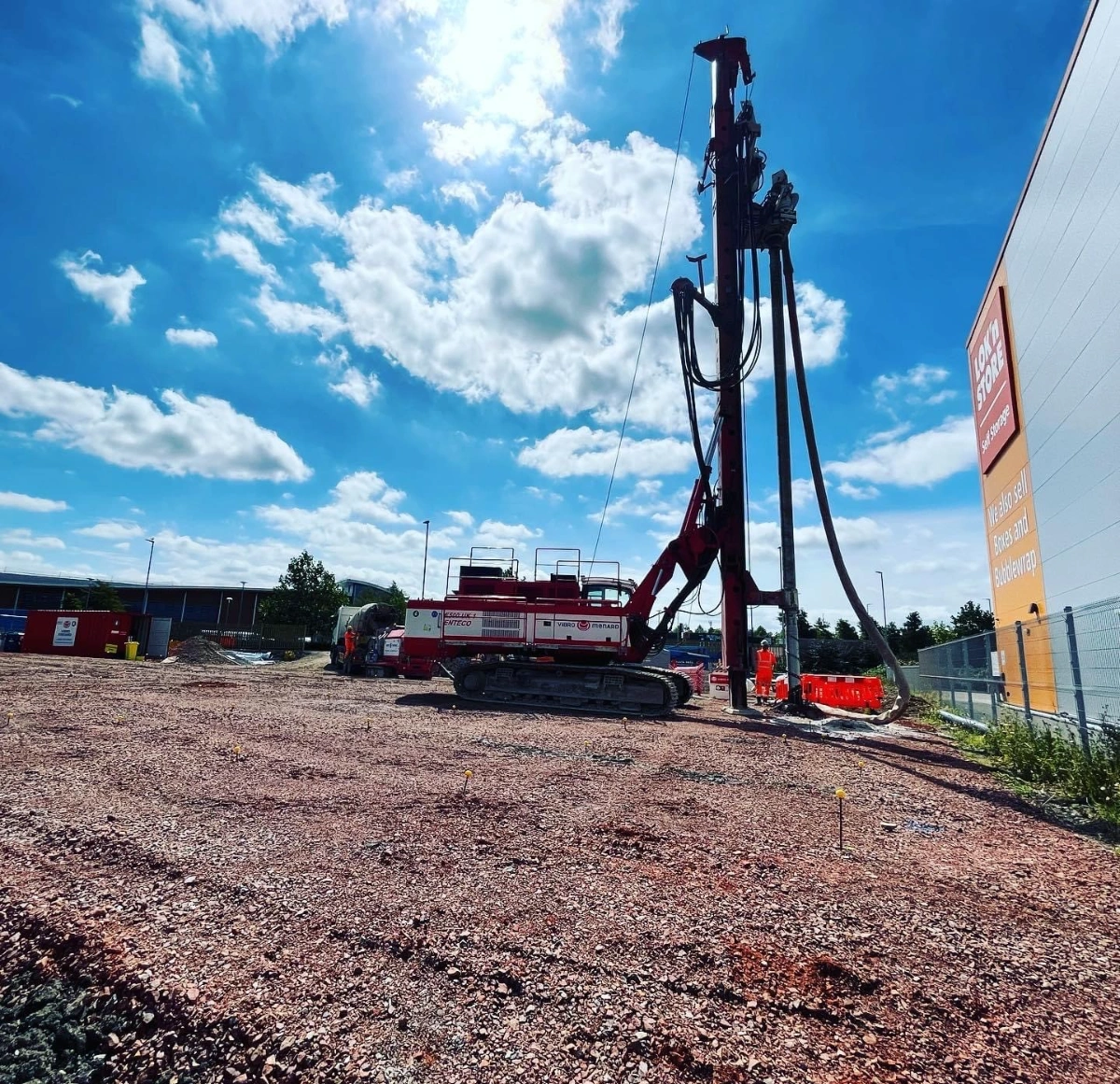
A principal contractor plans, manages and coordinates the construction phase under CDM 2015. At Magna Specialist Confectioners in Telford, MSB is principal contractor on a phased 150,000 sq ft extension built beside a live chocolate line, with zero disruption to output.
The role sounds administrative until you try to do it next to a production line. On a greenfield site the construction phase plan is a document. On a working food factory it is the thing that decides whether the client's tankers can get through the gate on Tuesday.
Under the Construction (Design and Management) Regulations 2015 (CDM 2015), the Health and Safety Executive (HSE) says the principal contractor is appointed by the client to control the construction phase on projects involving more than one contractor. The duties are to plan, manage, monitor and coordinate the whole construction phase, and to consider the health and safety risks to everyone affected, including members of the public. In practice that means:
The full duties are on the HSE principal contractor guidance. On a quiet greenfield site that list is demanding. On a working factory it is the whole job.
Magna Specialist Confectioners is one of the UK's leading co-manufacturers for global chocolate brands. Its Telford site takes tanker deliveries daily, so a closed gate or a blocked yard shows up quickly in what leaves the factory. The brief to MSB was a turnkey, phased expansion, with the extension of about 150,000 sq ft built in stages and without interrupting that output. Turnkey means one contractor carries the design, the groundworks, the steel, the cladding and the external works, so the client deals with one team, one programme and one point of accountability when something changes.
On an empty site the programme is driven by the build. Next to a live factory it is driven by everything else: tanker slots, shift patterns, hygiene rules, where a crane can stand and which roads must stay clear. We planned the works around the deliveries rather than asking Magna to plan its deliveries around us. The result, in the words on the project page, is zero disruption to Magna's high-volume chocolate output.
That kind of planning is unglamorous. It is a lot of drawings of the yard, a lot of conversations with the site team, and a sequence agreed before anyone mobilises. It is also what separates a contractor who has done this before from one who has not. Four things carry most of the weight on a live site:
150,000 sq ft
phased factory extension for Magna Specialist Confectioners, Telford
10,500 m²
of existing roof over-clad for temperature control and energy efficiency
The extension needed a large underground storm water attenuation tank, which also carries the support structure for fourteen 70-tonne chocolate storage tanks. An attenuation tank holds rainwater that runs off the new roofs and hard surfaces and releases it to the drainage system at a controlled rate, so a bigger building does not overload what is downstream. Below-ground work like that decides the whole programme, because everything above it waits on it. Structural steelwork, cladding, an interior steel structure and external works and landscaping followed on the same turnkey contract, with the phases timed to the client's own production calendar. The project page lists a steel-framed production and warehouse building within the scope.
We also over-clad the roof of the existing 10,500 m² factory. That was done to improve temperature control and energy efficiency inside, which matters a good deal when the product is chocolate, a food that is sensitive to temperature through production and storage. Over-cladding puts a new weather skin over the existing roof instead of stripping it, so the building stays in use while the work goes on. Whether it suits a particular building comes down to a structural and asbestos survey, which we cover in our guide to over-cladding versus replacing a roof.
Phase 1 concluded in 2025. Phase 2 ran from September 2025 and was handed over in August 2026, and a third phase continues on site. Phasing is the point: each stage hands the client usable space while the next is prepared.
For a client, the benefit of a phased turnkey programme is predictability. Each phase has a defined scope and a handover, the below-ground work is done once and carries everything above it, and the factory knows in advance which weeks are disruptive. For the contractor the discipline is the same in reverse: nothing starts on a live site until the sequence, the routes and the contacts are agreed in writing.
Start with the deliveries, not the drawings. Map every vehicle movement the factory depends on, then build the programme around the gaps. Settle the below-ground package first, because drainage and tank work are the items most likely to hold everything else up. Agree who is principal contractor before the first phase starts, so one team owns the site rules, the induction and the coordination with the client's own people. Ask your contractor to show you a construction phase plan from a comparable live-site job, and ask how they will handle the day a delivery changes. Our guide to checking a contractor before you sign lists the other questions we would put in your position.
The terms overlap, so it helps to separate them. On a project with more than one contractor, the client appoints a principal designer to plan, manage and coordinate the pre-construction phase and a principal contractor to control the construction phase, and the two liaise throughout. The HSE says that where the client is domestic, the principal contractor normally also takes on the client duties. Many clients also talk about a main contractor, meaning the firm that holds the building contract. On a turnkey job like Magna, one firm can be both, which keeps design decisions and site decisions in the same conversation.
Ask for a construction phase plan from a comparable job and ask who will write yours. Ask how they check the competence of the contractors they bring in, since that is one of their duties. Ask what the welfare and induction arrangements will be on your site. And ask for an example where the plan changed mid-job and what they did about it. A contractor who has run a live site can answer all four in specifics. One who cannot is learning on your project.
We design, fabricate and erect steel framed buildings and act as principal contractor on turnkey projects. See the full Magna case study, our work for food and drink manufacturers, our design and build service and our steel framed buildings service. For budgeting an industrial extension, our warehouse cost guide shows how the numbers are built up. To talk about your site, use our contact page.
The principal contractor plans, manages, monitors and coordinates the construction phase, prepares the construction phase plan, provides welfare, checks other contractors' competence and inducts workers, as set out by HSE under CDM 2015.
The client appoints the principal contractor on projects involving more than one contractor. For domestic clients, the principal contractor normally also takes on the client duties.
Often, yes, but it takes planning. On the Magna extension the logistics were worked out around daily tanker deliveries so that production was not interrupted.
Yes. MSB is principal contractor on the Magna Specialist Confectioners extension, managing the full construction programme.
Yes. The Magna extension includes a large underground storm water attenuation tank that supports fourteen 70-tonne storage tanks.
A below-ground tank that stores runoff from roofs and hard surfaces and releases it slowly, so drains downstream are not overloaded after heavy rain.
Related service
One team for design, fabrication and construction, planned around live production where needed.
