








Services
Industries
© 2026 MSB Group. All rights reserved.
MSB Group UK is the trading name of MSB Steel Ltd
Created by Just Chill
Industry News

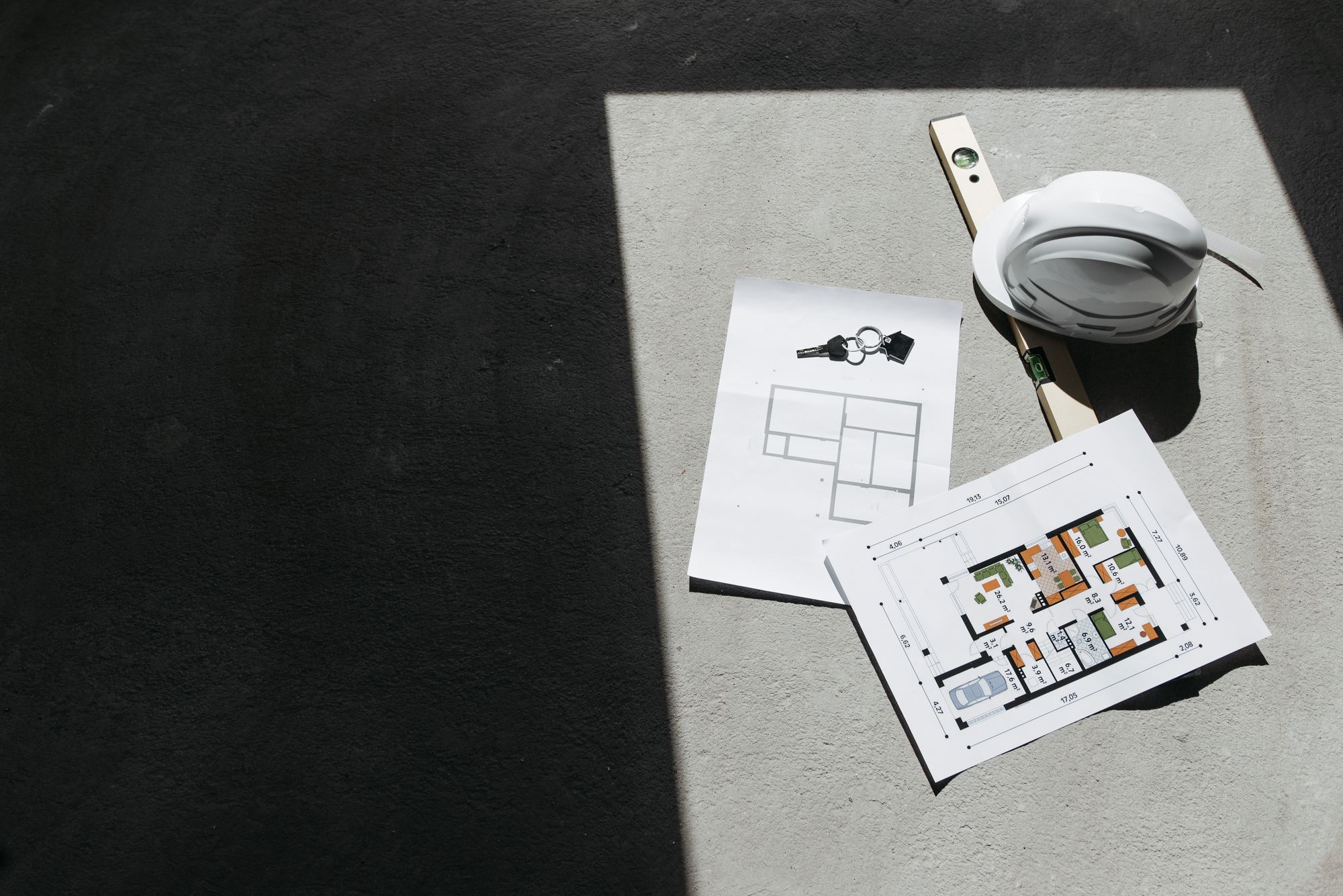
Photo: Michael Orshan / Pexels.
Choose a steel fabricator on evidence, not price alone. Check what they have built, how they control quality, who details the steel, how many jobs their workshop can run at once, and whether they can erect on site. A good fabricator answers these with documents and dates.
Steelwork sits at the start of a build. If the steel is late or does not fit, the groundworks, cladding and every trade after it wait. That is why choosing the fabricator deserves care even when steel is only one package among many.
Before you ask for prices, write down what the steelwork has to do: the building type, the frame layout, the programme, the finish and who will erect it. A fabricator can only quote accurately against drawings, and the clearer the brief, the easier it is to compare bids like for like.
A fabricator makes the steel. A contractor manages the build, including the steelwork, the groundworks, the cladding and the erection. Some contractors fabricate in their own workshop, which puts the steel on the same programme as everything else. Others buy steel from a separate fabricator. Decide which route you want before you compare bids, because the two are priced and managed differently. Our guide to design and build contracts explains the contractor route.
Ask for completed projects of a similar type and size, and for contact details of clients who will talk to you. A fabricator with relevant experience will understand your tolerances, finishes and programme pressures. Visit a completed building if you can. The British Constructional Steelwork Association publishes a directory of member steelwork contractors, which is a useful place to look at the wider market.
Structural steelwork in the UK is made to the execution standard BS EN 1090, which sets execution classes and requires the fabricator to run a certified factory production control system. Ask which certification the fabricator holds, which execution class it covers and whether that class suits your building. Ask to see the certificate itself, and check its scope and expiry date.
The fabricator turns the engineer's design into shop drawings that show every piece, hole and weld. Ask who carries out the detailing, who checks it and how clashes with other trades are resolved. A detailing error is found cheaply on a drawing and expensively on site.
Ask how the fabricator coordinates with the foundation designer and the cladding contractor. Bolt positions, tolerances and fixings must line up between the foundations, the frame and the envelope, and the time to settle them is before fabrication starts.
Ask what the fabricator does in its own workshop and what it buys in or subcontracts, such as cutting, welding, blasting and painting. Ask how many jobs the workshop runs at once, and where your job would sit in the queue. A workshop that is full cannot protect your programme however good its price. If you can, visit and see how work is organised and how material is stored.
Steel should be traceable from the mill to the finished piece, and welds should be made by qualified welders and inspected. Ask how traceability is recorded, how welds are checked and what records you will receive at handover. A good fabricator shows documents rather than describing them.
Ask for a dated programme that shows detailing, material, fabrication, surface treatment, delivery and erection. Steel is usually delivered in the order it will be erected, so deliveries need to match the site programme. Ask what happens if the site start date moves.
Check whether the fabricator erects its own steel or uses a subcontractor. Ask to see method statements and health and safety records, and check insurance cover. The steel is lifted while other trades are working, so erection needs planning with the contractor.
Compare what each price covers: detailing, material, fabrication, surface treatment, delivery, erection and any temporary works. Steel is a traded commodity, so ask whether a price is fixed, for how long, and what happens if the cost of material changes. The cheapest quote is not the best value if it leaves out items that another bidder has included. Our steel frame building cost guide shows how fabrication fits into the total cost of a building.
Ask for insurance certificates and check the company's filed accounts at Companies House, so you know it can carry the job.
MSB Group runs fabrication in its own workshop as part of its design and build service, so steel, groundworks and erection are planned together. See our steel fabrication service, and our guide to checking a contractor before you sign for more questions to ask.
A fabricator makes the steel. A steelwork contractor usually fabricates and erects it. Check which one each bidder is, so you compare the same scope.
Enough to compare like for like, but only from firms whose experience matches your building. A long list of unsuitable bidders wastes time.
Yes, if you can. You will see how work is organised, what is done in house and how material is stored and tracked.
Compare what each price includes first, then the programme and the records offered. Ask every bidder to confirm the same scope in writing.
Structural steelwork is made to BS EN 1090, which requires a certified factory production control system. Ask which execution class a fabricator is certified to and whether it covers your job.
Related service
In-house structural steel fabrication as part of one design and build contract.
